
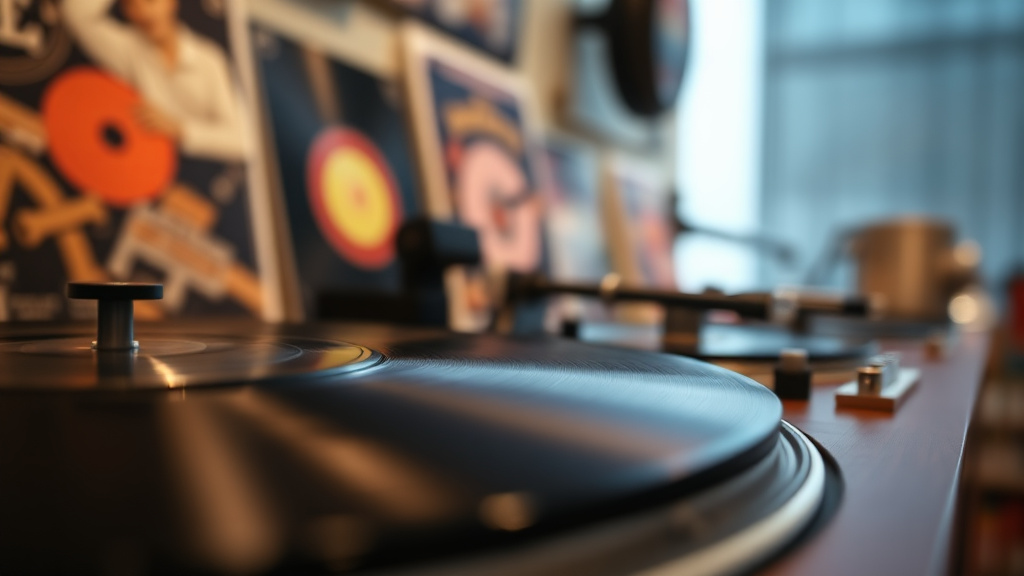
In an age dominated by streaming platforms and digital downloads, vinyl records have experienced an impressive resurgence that most didn’t anticipate. From independent record shops bustling with enthusiasts to famous artists showcasing their collections, the analog format is experiencing unprecedented growth worldwide. This article investigates the unexpected revival of vinyl, analyzing why music enthusiasts and collectors are returning to turntables, the superior sound quality driving this movement, and how this nostalgic medium is reshaping the recording industry in ways that question modern listening patterns.
The Comeback of Analog Audio
The return of vinyl records reflects a meaningful transformation in how audio lovers enjoy audio in the modern era. Despite years of innovation, devoted listeners and collectors are intentionally selecting analog formats over convenient streaming options. This phenomenon questions conventional wisdom about digital innovation, demonstrating that analog media can provide unique benefits that modern digital platforms cannot match. The rich audio character generated from vinyl playback have grown more appreciated by particular audiophiles pursuing authentic sound experiences that transcend computer-generated recommendations.
Record stores globally report record-breaking sales increases, with both vintage and newly pressed vinyl selling at premium rates in the marketplace. Younger generations, notably millennials and Gen Z consumers, are uncovering vinyl’s distinctive charm alongside longtime collectors who never abandoned the format. This demographic diversity has transformed vinyl from a niche hobby into a mainstream cultural phenomenon. The physical sensation of handling physical records, reading liner notes, and viewing cover art provides a depth of sensory engagement that digital consumption fundamentally cannot deliver. This has reignited passion for music as a purposeful musical encounter.
Why Enthusiasts Are Choosing Vinyl
Collectors are growing more attracted to vinyl records for reasons that go well past mere nostalgia. The resurgence demonstrates a deliberate choice to engage with music in a more intentional and meaningful way. Unlike streaming services that provide endless choices, vinyl’s limitations create a carefully selected audio journey that promotes deeper appreciation for full-length records and creative intent.
Nostalgia and Physical Music Experience
Vinyl records offer a tangible link with music that digital formats cannot replicate. Grasping a physical record, studying album artwork, and perusing liner notes produces a multisensory experience that resonates with collectors on an emotional level. This physical interaction transforms music consumption from a passive background activity into an engaged practice, building authentic relationships with artists and their work.
The timeless appeal of vinyl extends far beyond personal memories to capture the historical importance of the format itself. Younger generations uncover vinyl’s charm through their parents’ collections, while established collectors appreciate the continuity with music history. This cross-generational interest shows that vinyl’s resurgence transcends simple retro trends, representing a significant change in how people appreciate and engage with music.
Exceptional Sound Quality Arguments
Audiophiles regularly contend that vinyl delivers superior sound quality compared to compressed digital formats. The analog signal captured in vinyl grooves preserves frequencies and nuances that compression processing frequently removes. High-quality turntables, cartridges, and speakers reveal sonic details that improve understanding for music production and mixing techniques previously unnoticed through streaming services.
Modern vinyl pressing technology has markedly progressed, tackling longstanding concerns about sonic reliability and wear resistance. Modern audiophile pressings rival original releases in performance while delivering outstanding sonic detail and dynamic impact. This engineering progress, combined with renewed investment in vinyl-compatible equipment, has reinforced fidelity-focused discussions and drawn discerning audiophiles seeking the best possible sound reproduction available.
Market Expansion and Sector Influence
Economic Growth in the Vinyl Sector
The vinyl record market has experienced dramatic financial growth over the past decade, with global sales reaching record highs. Industry reports indicate that vinyl revenues have grown over 200% since 2010, making it a major sector. Big music labels and indie distributors have responded by increasing production capacity and developing manufacturing facilities worldwide. This business expansion shows authentic customer appetite rather than a temporary trend, with retailers seeing consistent year-over-year growth that outpaces many other entertainment categories.
Resurgence of Production and Logistics Operations
The resurgence of vinyl has renewed production facilities that had nearly disappeared from Western markets. Pressing plants run at maximum output, often with extended backlogs for production slots, while new facilities keep launching globally. Distribution networks have been reestablished to accommodate the unique logistical demands of tangible formats, creating employment opportunities across the industry. This expansion of facilities serves not only major corporations but also boutique record companies and boutique manufacturers seeking to meet enthusiast interest for exclusive releases and collector items.
Influence over Music Industry Planning
Record labels now strategically incorporate vinyl releases into their marketing portfolios, recognizing the format’s premium positioning and collectible value. Artists deliberately plan vinyl editions as elements of album debuts, often releasing limited variants to boost purchasing and fan participation. The vinyl’s financial success has influenced corporate investment decisions, with major entertainment conglomerates acquiring vinyl-focused companies and expanding their analog divisions. This strategic shift demonstrates how the vinyl comeback has significantly reshaped industry priorities, questioning exclusive digital streaming approaches and reviving tangible format importance.
