
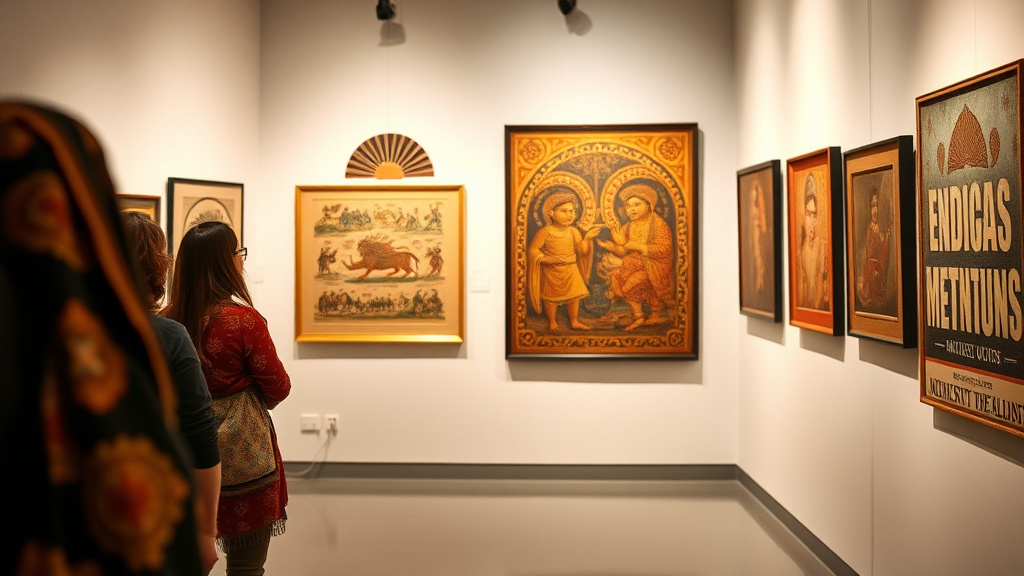
Indigenous art forms have consistently stayed underrepresented in the worldwide art world, yet a significant change is underway. Leading institutions globally are now featuring indigenous artworks and cultural pieces from aboriginal groups, elevating these works from relative anonymity to global recognition. This article examines how carefully curated displays are reshaping perceptions of indigenous creativity, providing artists with unprecedented platforms while building intercultural dialogue. Discover the significant influence these exhibitions have on indigenous peoples and the global artistic community.
Global Museum Platforms Elevating Indigenous Artistry
Leading worldwide museums serve as key forces for aboriginal creative recognition, transforming how international viewers perceive indigenous cultural practices. Major museums across North America, Europe, and Asia are committing considerable exhibition space to indigenous artworks, transcending tokenistic displays to extensive surveys. These platforms provide aboriginal artists with remarkable exposure, allowing their works to gain recognition established current and historical art forms. The Smithsonian, Louvre, and Metropolitan Museum of Art have collectively created Native art collections, reflecting institutional commitment to this cultural renaissance and establishing new standards for inclusion.
The deliberate positioning of indigenous art within leading museum institutions has fundamentally transformed market dynamics and critical reception. Curators now work closely with indigenous communities, maintaining accurate representation and appropriate cultural framing for displayed works. This collaborative approach respects intellectual property rights and traditional knowledge while creating educational opportunities for visitors worldwide. Museums progressively view indigenous artists as vital participants to global contemporary art discourse, not merely historical or anthropological subjects. Such formal endorsement has directly resulted in increased collector interest, higher artwork valuations, and broadened professional prospects for indigenous creators globally.
Cultural Importance and Modern Influence
Museum showcases of indigenous art forms represent far more than aesthetic appreciation; they reflect heritage conservation and cultural advancement. These venues affirm indigenous knowledge and artistic practices that have sustained indigenous communities for centuries. By showcasing indigenous works in conjunction with Western art, museums challenge historical hierarchies and illustrate the global significance of indigenous creativity. This acknowledgment strengthens cultural identity within communities while enlightening worldwide communities about varied creative practices and their deep cultural and spiritual importance.
Traditional Techniques Meet Today’s Audiences
Current museum exhibitions connect ancestral creative traditions and today’s viewers, establishing meaningful dialogues across generations. Indigenous artists more and more utilize traditional techniques while exploring current issues, ensuring their work resonant with today’s audiences. Museum professionals work closely alongside indigenous communities to offer genuine stories and situate artworks accurately. This cooperative method guarantees exhibitions acknowledge cultural protocols while ensuring indigenous art available for international visitors who may experience these traditions for the first time.
The incorporation of digital technologies in cultural institutions further enhances indigenous art’s reach and impact. Engaging exhibits, online galleries, and multimedia content allow people to discover the narratives, methods, and cultural backgrounds behind individual pieces. These innovations engage younger audiences while preserving ancestral wisdom through innovative documentation. Museums now operate as vibrant environments where native artists personally connect with guests, communicating individual stories and demonstrating traditional techniques, creating meaningful learning opportunities.
- Indigenous artists gain international recognition and market opportunities
- Museums document and preserve at-risk cultural practices and methods
- Communities oversee their cultural narratives and representation authentically
- Young indigenous people reconnect with traditional artistic legacy proudly
- Global audiences cultivate deeper appreciation for indigenous cultural contributions
Current Challenges and Upcoming Opportunities
Despite increasing awareness, indigenous artists encounter substantial challenges in sustaining their careers through gallery shows. Limited funding for indigenous art programs, insufficient inclusion in curatorial decisions, and the commodification of sacred cultural practices continue to pose obstacles. Additionally, many indigenous communities lack institutional support to document and preserve traditional techniques. Museums must address these systemic barriers by allocating greater resources, hiring indigenous curators, and creating ethical frameworks that respect cultural protocols while ensuring fair payment for artists and communities.
Looking ahead, the future of indigenous art in international museums holds immense opportunity for significant transformation. New digital tools enable online showcases reaching worldwide audiences, while collaborative partnerships between museums and indigenous organizations enhance community agency. Educational initiatives can foster understanding for indigenous aesthetics among next-generation audiences. By prioritizing authentic portrayal, supporting artist training initiatives, and honoring indigenous intellectual property rights, institutions can establish sustainable pathways that honor cultural heritage while enabling indigenous creators to thrive in the contemporary art world.
