
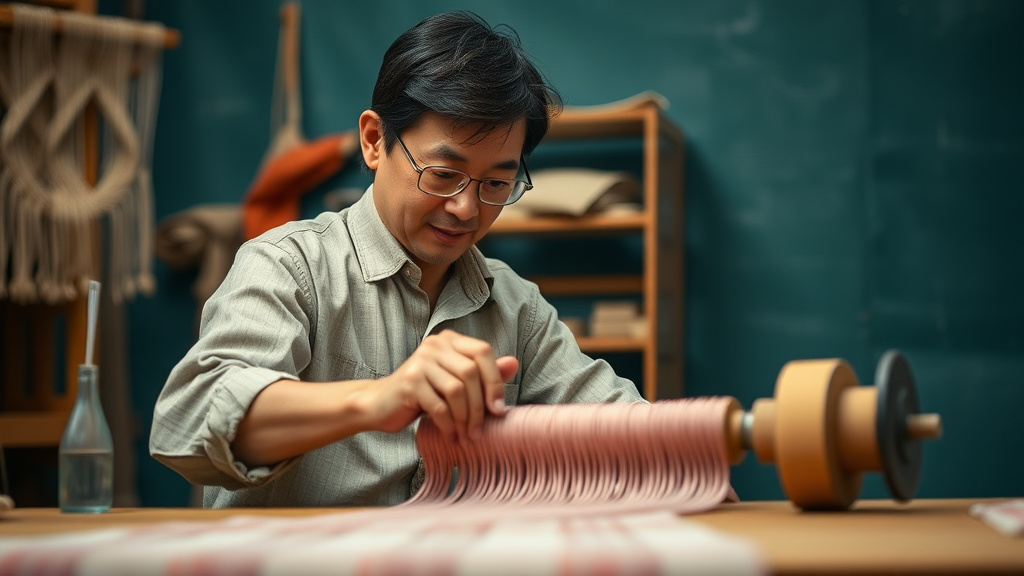
In a world of quick-turnaround clothing and industrial output, heritage craft workers are finding an surprising way ahead—by integrating modern technology without forsaking time-honored methods. From hand looms augmented with digital design software to organic pigments improved by scientific innovation, artisans globally are demonstrating that heritage and progress can coexist. This article investigates how textile makers are effectively combining time-honored techniques with current technology, maintaining their heritage traditions remain vibrant, sustainable, and significant for future generations.
The Tradition of Time-Honored Textile Arts
Textile artistry stands as one of humanity’s most esteemed and ancient artistic traditions, with roots tracing many millennia across diverse cultures and civilizations. From the intricate silk weaving of ancient China to the vibrant tapestries of Peru and the fine lacework of Europe, traditional textile arts have served as keepers of cultural identity, sacred meaning, and technological innovation. These established traditions feature a vast array of techniques such as hand-spinning, natural dyeing, weaving on conventional looms, and embroidery, each perfected over generations of skilled craftspeople who passed their knowledge through apprenticeship and spoken teaching.
The value of time-honored textile techniques goes well past artistic aesthetics; these arts reflect the beliefs, histories, and sustainability practices of their societies. Artisans who maintain these practices serve as keepers of culture, safeguarding methods embodying ecological stewardship and deep ecological knowledge accumulated over centuries. Today, as global interest in genuine hand-made products remains strong, heritage textile craftspeople find themselves at a critical juncture where their ancestral skills are growing in value for their craftsmanship, distinctiveness, and cultural significance in an growing uniform marketplace.
Linking Past and Present in Textile Production
The integration of contemporary technology into time-honored textile production represents a transformative shift in how artisans engage with their craft. Rather than treating digital tools as dangers to authenticity, modern weavers and dyers understand them as drivers of creative expression. This progression allows craftspeople to expand their market reach, boost efficiency, and maintain economic viability while safeguarding the essential skills and artistic vision that shape their cultural heritage. The result is a vibrant textile industry that respects tradition while integrating innovation.
Contemporary Design Combines with Handcrafted Weaving
Digital design programs has transformed the early steps of fabric production without diminishing the manual labor that distinguishes traditional weaving. Artisans now employ computer-aided design programs to see complex patterns, explore color palettes, and design intricate weaving patterns before engaging with their looms. This digital support reduces experimental stages, allowing craftspeople to direct their skill on the actual hand-loom work. The blend of technical exactness and manual craftsmanship creates superior textile products, merging traditional methods with current design trends that resonate with modern customers.
The adoption of digital tools has democratized design development for weavers, notably in less developed areas where educational resources was previously restricted. Weavers can now collaborate remotely with creative partners, reach international audiences, and keep pace with market demands. Digital tools allows them to record heritage designs in digital format, safeguarding cultural knowledge for generations to come. This digital adoption builds communities of practice, enabling artisans to stay competitive while keeping their heritage crafts economically sustainable and culturally important in modern marketplaces.
- Computer-aided design visualizes intricate weave designs with precision
- Digital color matching guarantees uniformity across multiple production batches
- Pattern documentation preserves heritage patterns for upcoming craftspeople
- Remote collaboration connects weavers with global design communities
- Digital systems minimizes material waste through precise pre-production planning
Skilled Makers Spearheading the Creative Movement
Visionary artisans across the world are driving a revolutionary shift that questions the misleading divide between heritage and modernity. These craftspeople understand that embracing contemporary methods need not erode their cultural heritage; instead, technology serves as an enabler that enhances their creative potential. By blending digital tools, responsible fabrics, and modern commercial strategies into their workshops, these innovators demonstrate that fabric artistry can thrive in the twenty-first century. Their shared approach transcends individual studios, as they exchange expertise through online platforms, guidance systems, and worldwide partnerships, fostering a thriving environment where historical insights intersects advanced technology.
The achievements coming out of this movement encourage many up-and-coming craftspeople to take up textile craftsmanship as a viable and fulfilling career. Textile artisans of all specialties now can tap into remarkable opportunities—from online training programs with master craftspeople to financial support systems that enable sustainable production. These forward-thinking makers utilize social media to present their work worldwide while upholding responsible employment standards and environmental stewardship. Their dedication to maintaining heritage practices while adopting thoughtful innovation shows that textile artisanship represents not a nostalgic relic, but a vibrant, growing discipline equipped to tackling modern issues while respecting centuries of accumulated knowledge.
Maintaining Customs for Future Generations
The protection of ancestral textile skills is critically dependent on engaging younger generations and developing feasible financial models for skilled makers. Training programs that merge direct learning with modern digital competencies are demonstrating critical importance, helping students to learn traditional methods while understanding modern market demands. Museums, cultural organizations, and heritage foundations increasingly partner with weaving groups to record ancestral practices, develop credential systems, and build long-term economic frameworks that honor craftsmanship while providing adequate remuneration and career advancement pathways.
As customer consciousness grows regarding responsible manufacturing and ecological preservation, traditional textile makers find themselves situated at the forefront of a global movement toward mindful purchasing. By transparently sharing their stories, manufacturing processes, and heritage value through digital platforms and digital networks, artisans connect directly with audiences appreciating authenticity and heritage. This direct engagement not only generates economic support but also encourages younger craftspeople to embrace their heritage traditions, ensuring that time-honored techniques continue flourishing alongside contemporary advances for future generations.
