
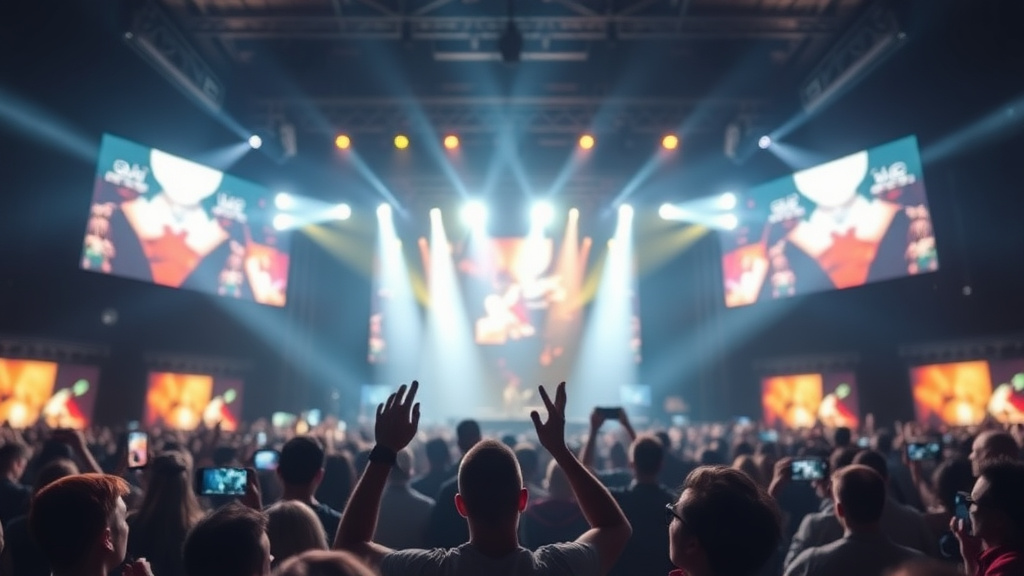
The concert performance industry faces a critical juncture as musicians and promoters implement innovative solutions while managing evolving audience demands. From immersive virtual experiences and AI-powered personalization to environmentally responsible approaches and enhanced accessibility features, the sector is going through a digital transformation. This article explores how concert promoters, venues, and performers are leveraging innovation to deliver memorable events, assessing the interplay of digital progress and authentic human connection that today’s concert-goers increasingly seek from their live performances.
Digital Integration and Virtual Experiences
The concert performance industry has embraced digital technologies to expand its reach beyond physical venues, creating immersive experiences that captivate audiences worldwide. Streaming platforms now broadcast concerts in real-time, allowing fans unable to participate in person to participate in live performances. This expanded accessibility has significantly broadened audience demographics and revenue streams, while simultaneously introducing new challenges regarding ticket pricing, exclusivity, and artist compensation in the digital landscape.
VR and AR technologies have revolutionized how fans interact with concerts, offering engaging interactions that transcend traditional viewing. Cutting-edge projection technology, hologram-based shows, and immersive three-dimensional spaces enable artists to create unprecedented visual spectacles. These technological innovations improve the concert experience while supplying important insights on audience preferences, interaction patterns, and viewing behaviors that help event organizers refine future events and adapt content to specific demographic segments.
Mixed Performance Styles
Hybrid concert formats combine live in-person performances with concurrent online broadcasts, producing a dual-audience experience that expands audience size and income opportunities. This approach serves varied audience tastes, from those wanting authentic venue atmospheres to those choosing at-home watching with personalized camera angles and engagement tools. Venues have made significant investments in professional broadcasting equipment, multiple camera angles, and high-quality audio systems to guarantee virtual attendees receive comparable production value and interactive possibilities as physical attendees.
The effectiveness of hybrid formats requires seamless technological coordination and thoughtful viewer engagement planning across both platforms. Artists must adapt their performances to engage both physical and online audiences simultaneously, necessitating new staging techniques and viewer engagement tactics. Revenue models have been redesigned to account for dual audiences, with layered pricing systems for in-person admission, digital attendance options, and exclusive engagement offerings, guaranteeing sustainable financial viability for venues and fair compensation for artists.
- Real-time multi-camera switching provides engaging viewing options
- Interactive chat features allow online viewers to engage with each other
- Custom viewing angle preferences allows audiences to customize experiences
- Behind-the-scenes online access creates premium exclusive content options
- Replay access expands revenue generation beyond the live event
Increased Fan Engagement Via Technology
Modern concert venues are revolutionizing how fans experience live music through cutting-edge technology. Digital platforms enable immediate interaction between artists and audiences, creating customized encounters that surpass the conventional live performance format. Real-time data analytics help organizers grasp fan preferences, empowering them to customize shows, merchandise offerings, and venue amenities accordingly. This tech-driven integration transforms inactive observers into active participants, building stronger personal bonds with artists and fellow fans throughout their concert journey.
The intersection of social media, augmented reality, and interactive displays has dramatically altered audience expectations at live events. Fans now anticipate seamless digital integration that enhances rather than distracts from the core musical experience. Concert organizers employ these platforms to create memorable content that amplify event reach through organic social media promotion. By implementing listener-centered technologies, the industry affirms its pledge to addressing modern entertainment expectations while sustaining the essential appeal of live performance.
Mobile Apps and Instant Engagement
Dedicated concert mobile applications have emerged as critical tools for improving fan involvement throughout events. These platforms provide instant notifications, premium material, and interactive features that convert phones into concert companions. Fans can check performance details, monitor performance metrics, and participate in voting for encore songs, building a sense of shared engagement. Push notifications alert fans to stage changes, important news, and exclusive merchandise drops, making certain they catch key highlights throughout the performance.
Real-time engagement features across concert apps build active digital communities that enhance the concert experience beyond the venue and moment. Live polling, chat features, and social media integration enable fans to express themselves and engage with audience members immediately. Artists obtain important input through app-based surveys and interaction analytics, guiding future performances and creative decisions. This bidirectional communication medium deepens artist-audience relationships while providing organizers with useful information for continuously improving concert experiences and boosting revenue for next performances.
- Interactive setlist voting enabling fans to shape performance selections
- Real-time merchandise buying integrated directly within smartphone apps
- Augmented reality features enabling immersive fan interaction experiences
- Location-based notifications for venue-specific information and updates
- Sharing tools creating word-of-mouth marketing through fan-created posts
Environmental and Access Innovations
The live concert industry is increasingly recognizing its ecological accountability while simultaneously enhancing accessibility for all attendees. Venues and promoters are implementing eco-friendly practices combined with tech innovations that guarantee inclusive participation. This two-pronged approach reflects the modern audience’s expectations for entertainment that aligns with their values regarding social responsibility and fair access to participation.
From renewable energy systems to digital accessibility tools, the industry is showing that profitability and sustainability are not mutually exclusive. These innovations draw environmentally conscious fans while expanding market reach to underserved populations. As technology continues evolving, concert experiences are becoming greener and increasingly inclusive, setting new standards for ethical entertainment practices across the sector.
Environmental Programs and Accessible Experiences
Concert venues are implementing broad sustainability programs that minimize environmental impact without diminishing fan experience quality. Solar energy stages, LED lighting systems, and digital ticketing decrease carbon footprints considerably. Simultaneously, venues establish accessibility technology solutions including live captioning, sound descriptions, and accessible seating areas. These parallel initiatives demonstrate how environmental responsibility and inclusive design enhance the concert experience for different audience groups.
Modern systems allow venues to manage and decrease waste while simultaneously providing customized accessibility features. Digital tools assist attendees with accessibility needs through venue layouts, while automated platforms enhance power usage during performances. Progressive concert promoters understand that sustainability and accessibility investments enhance audience connection, draw in younger demographics, and generate lasting social value throughout their business activities.
- Stages powered by solar energy decrease venue greenhouse gas output substantially
- Live captioning systems support deaf and hard-of-hearing attendees
- Digital ticket systems removes waste and simplifies entry processes
- Descriptive audio services offer visual information for blind attendees
- Accessible parking and seating sections promote inclusive venue experiences
